Focus points in loyalty programme design
What makes a loyalty programme work is not points but the feeling of status. Design notes from the tourism and retail side.
Also available in Turkish This post is a translation.
Contents
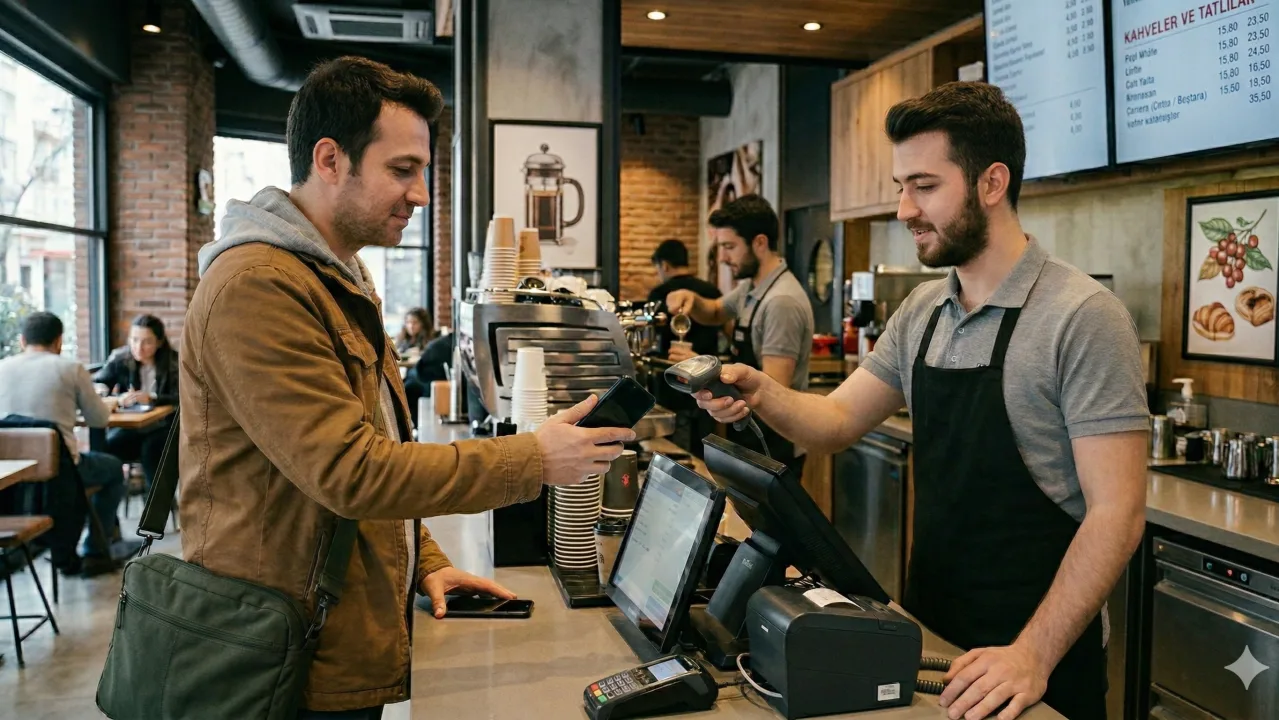
Loyalty programmes have entered our lives heavily over the last six or seven years. They have changed customer habits considerably and brought a new order to every sector that does business with individual customers. We see them everywhere, from tourism to cafes and restaurants. Many companies have in fact been running them in different forms for decades, THY Miles&Smiles and Pegasus BolBol among them, but today those programmes are far more automated and have turned into systems that can answer the customer instantly. As both a user and a designer of loyalty programmes, they have been on my mind for a while.
My own habits as a user come more from tourism and cafes than from clothing, but through my work I also have experience of loyalty programmes in fashion retail, on the e-commerce side and in the stores. In this post I will try to explain the relationship between loyalty programmes and customer psychology through a few specific mechanisms.
Level is what manages motivation
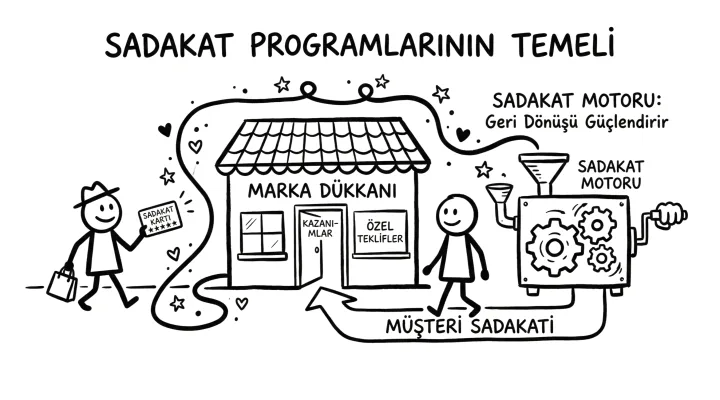
A few basic properties sit behind a loyalty programme. The most important of them is managing the motivation of the user, which technically means managing their level in the programme. People are motivated when they feel successful. So if your customers feel they are getting a visible achievement while also making money for you, their loyalty goes up. In cases like this their score in the system also has to be reflected dynamically and instantly, before the excitement fades.
You do not have to wait for a perfect back end
When I look at brands that are successful as loyalty systems, in systems like EspressoLab and trip.com the programme started as an MVP where customers earned bonus points from their spending and used those points on later purchases. The tier structure, meaning the level system that most current programmes have, only started in the last two or three years. So if we want to get somewhere in a reasonable time, we can put a structure like this in place by offering our customers basic benefits in the first phase, without waiting for everything to run on perfect infrastructure.
What gets rewarded is no longer only spending
Judging the relationship with a customer only through the money they spend has also become quite an old model. Today even e-commerce platforms can put a customer into a special segment based on how often they visit the site, or even on their intent towards products they did not buy, and offer them specific benefits. So it is no longer only spending but also the habit of visiting the system that gets rewarded. As the old saying goes, get them used to coming back, and that logic works well in the digital world too when it is used correctly.
Losing status is the biggest risk
People hate losing a status they have earned. Research shows that loyalty programmes where earned status is lost easily carry a very large risk in terms of user experience. I can comfortably say that designing a system that keeps the customer satisfied and makes them feel they are in a safe place is more of an advantage than designing one built only to make them spend.
Do not skip the abuse side
I have described all of this through customer satisfaction and other gains, but there is also the side of preventing abuse. Loyalty programmes have a lot of holes in them. You need to think these through properly before opening the system to users. Refund flows and the conditions for earning points in particular deserve long and serious testing from a product management point of view.
An example: Trip.com Rewards
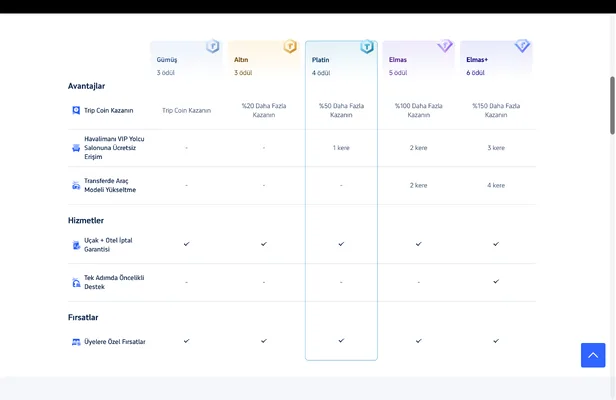
The loyalty design of this platform, which I use on my trips in particular, is quite simple. Every user starts at silver level once they sign up. After that there are set conditions for moving to each level.
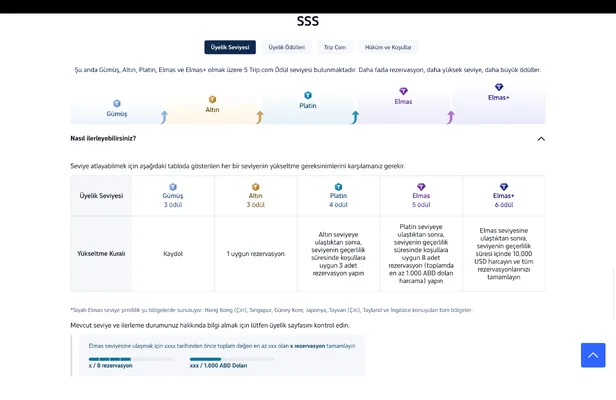
Users who meet those conditions get certain benefits. Those benefits include a discount on hotel prices.
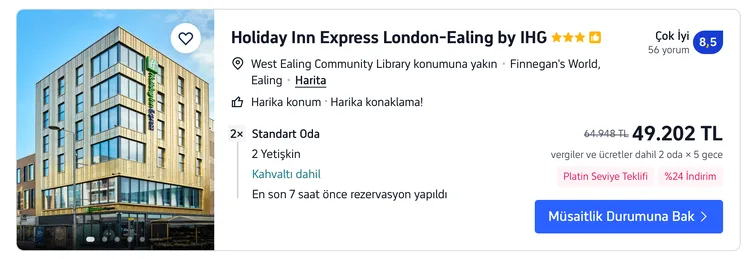
A hotel price discount in listings specific to platinum level
They also include perks that can be used a set number of times.
Every purchase also earns Trip Coins, a point unit pegged to the dollar. You can use those on later purchases.
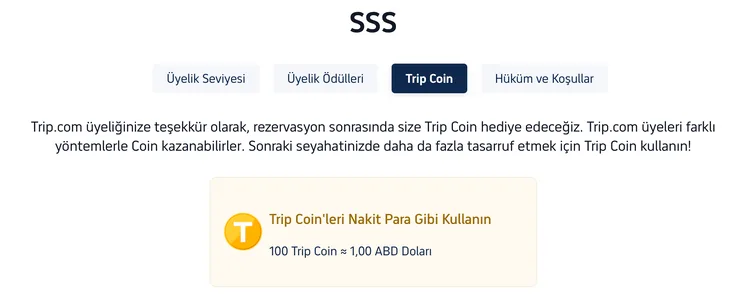
The Trip Coin explanation
Looking at all of this we see a consistent loyalty programme. We could apply the same system in similar ways in a cafe, a restaurant or a clothing store, according to what the customer needs. This is a matter for engineering, for product management, for customer relations and for marketing all at once.
So what is your favourite loyalty programme?